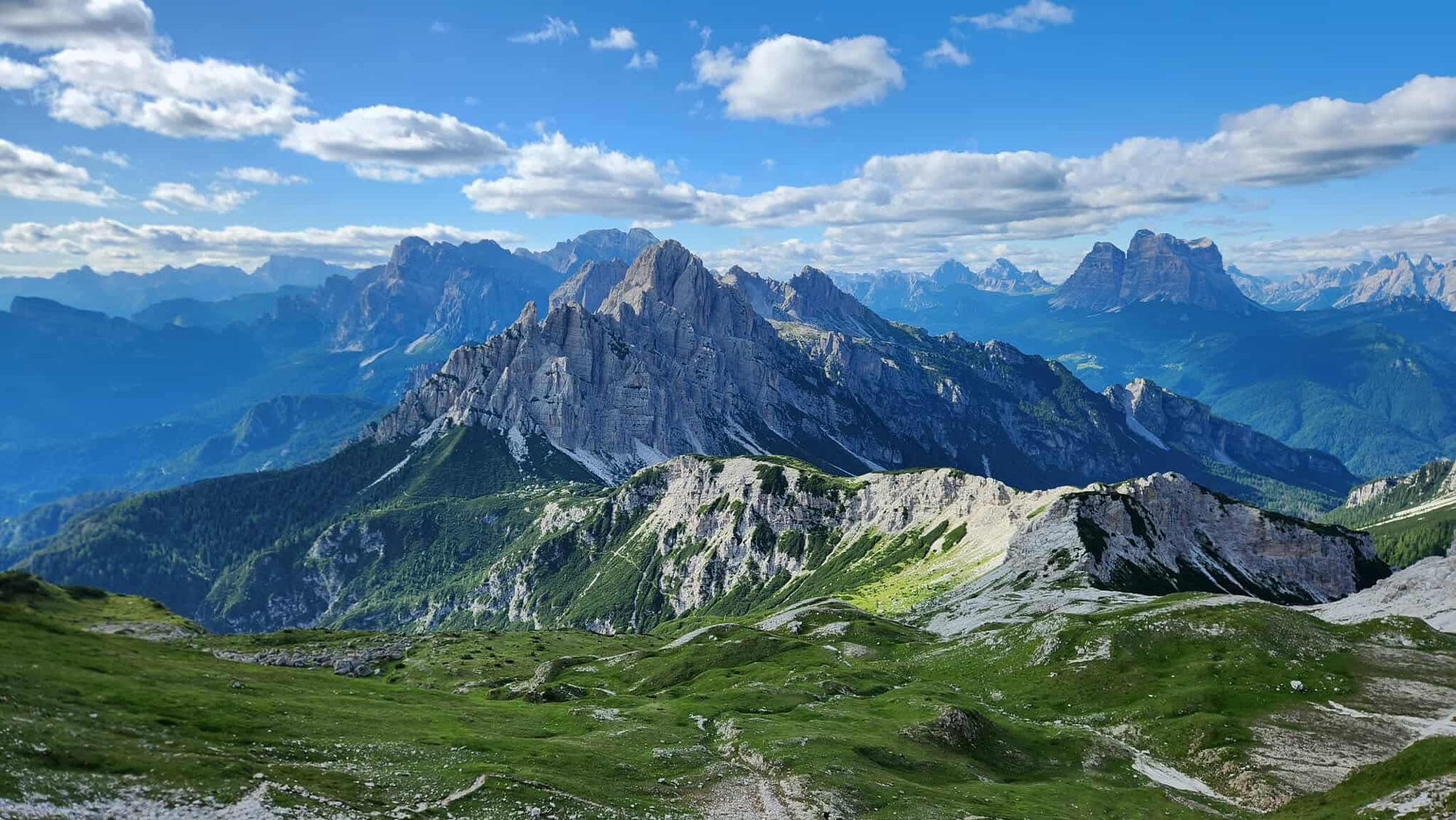
When most people think about Alta Via 1, they imagine picturesque mountain huts, cappuccinos with ridiculous views, and carefully planned itineraries between rifugios.
My friends and I had a slightly different approach.
We carried our home on our backs.
Tent. Sleeping bags. Food. Water. Questionable navigation decisions. The usual.
We completed part of Alta Via 1 in reverse, from La Pissa to Lagazuoi.
Doing the route this way adds additional elevation gain compared to the standard direction.
Nothing dramatic, but it’s worth knowing if you’re planning your itinerary.
The mountains were spectacular.
The trains were a mistake.
Why We Chose Bivouac
Partly because we enjoy autonomy, partly because sleeping outside is fun, and partly because carrying everything yourself changes the experience.
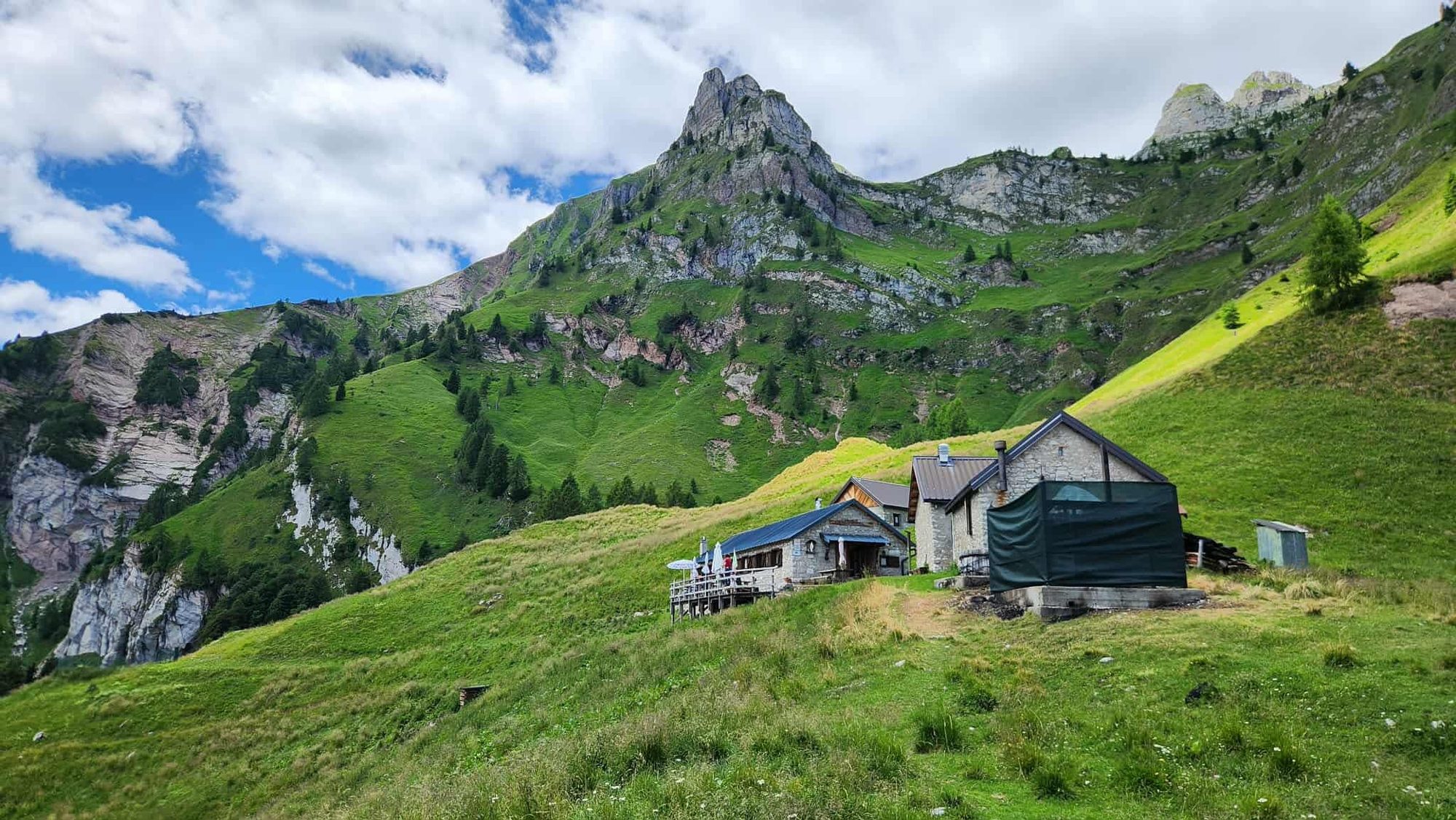
A mountain feels different when your shelter, food, clothing, and survival systems are on your back instead of waiting for you at a hut.
The trade-off is obvious.
More weight.
More planning.
More responsibility.
For me, that’s part of the appeal.
You become responsible for everything: your shelter, your sleep, your food, your comfort, and your mistakes.
The mountains don’t care whether you booked a room.
They only care whether your systems work.
For the broader logic, see Backpacking Systems That Actually Matter.
The Trains From Hell
Before we talk about the mountains, we need to talk about the trains.
Because the trains deserve their own section.
And possibly their own criminal investigation.
At some point during our trip, we boarded what appeared to be the correct train.
This assumption was incorrect.
What we failed to understand was that our destination and the train’s final destination were not the same thing.
Our tickets were for Cinque Terre.
The train was going to Genova.
The Italian ticket inspectors were not interested in discussing the subtle philosophical distinction between those two locations.
The result:
170 euros.
Gone.
Immediately.
The inspectors displayed approximately the same level of compassion as an avalanche path.
Friendly Advice
Before boarding any train in Italy, check the destination.
Then check it again.
Then verify it one more time.
Because I would very much like to prevent you from accidentally donating 170 euros to the Italian railway system.
The Mountains Have Their Own Rules
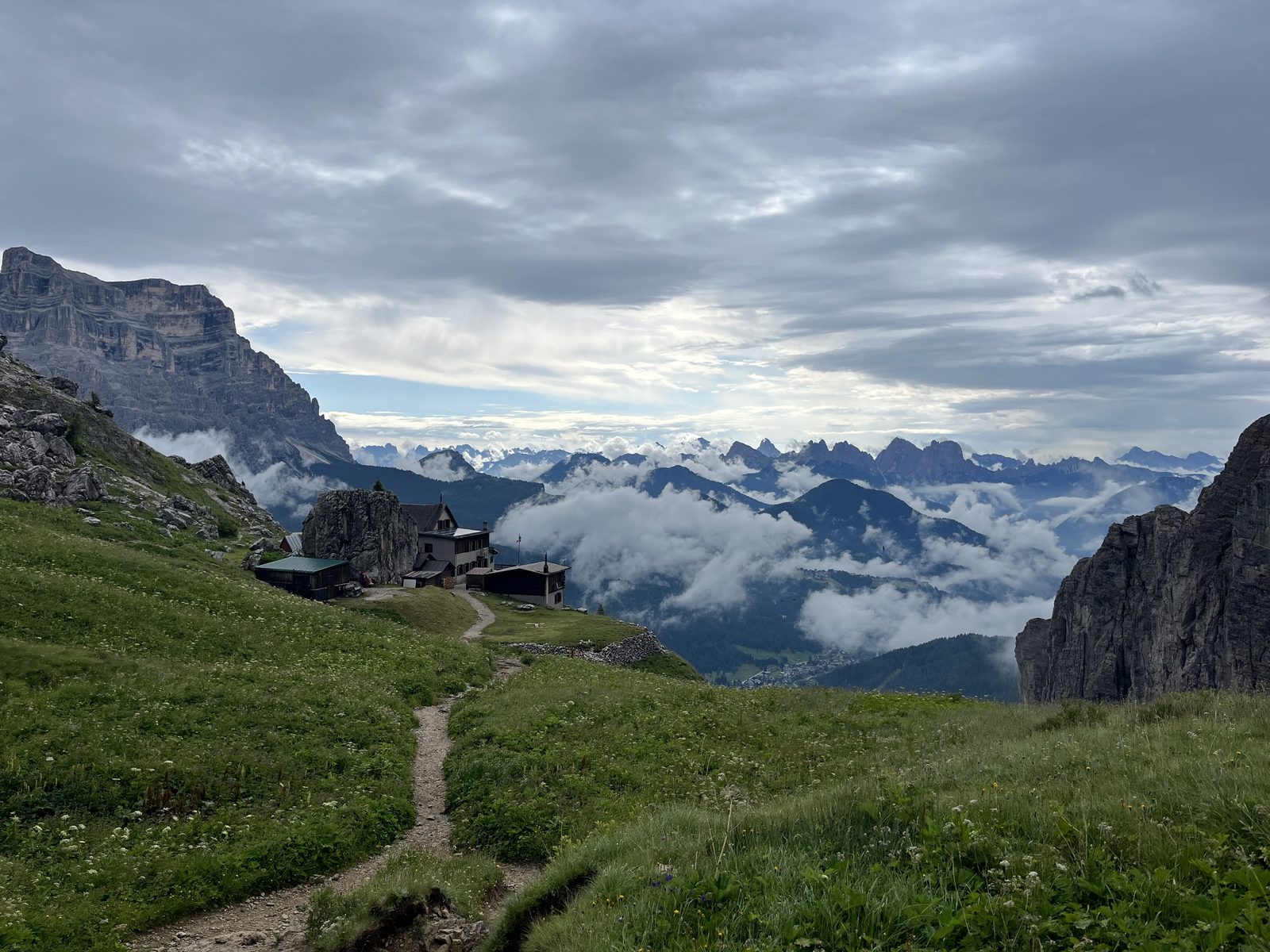
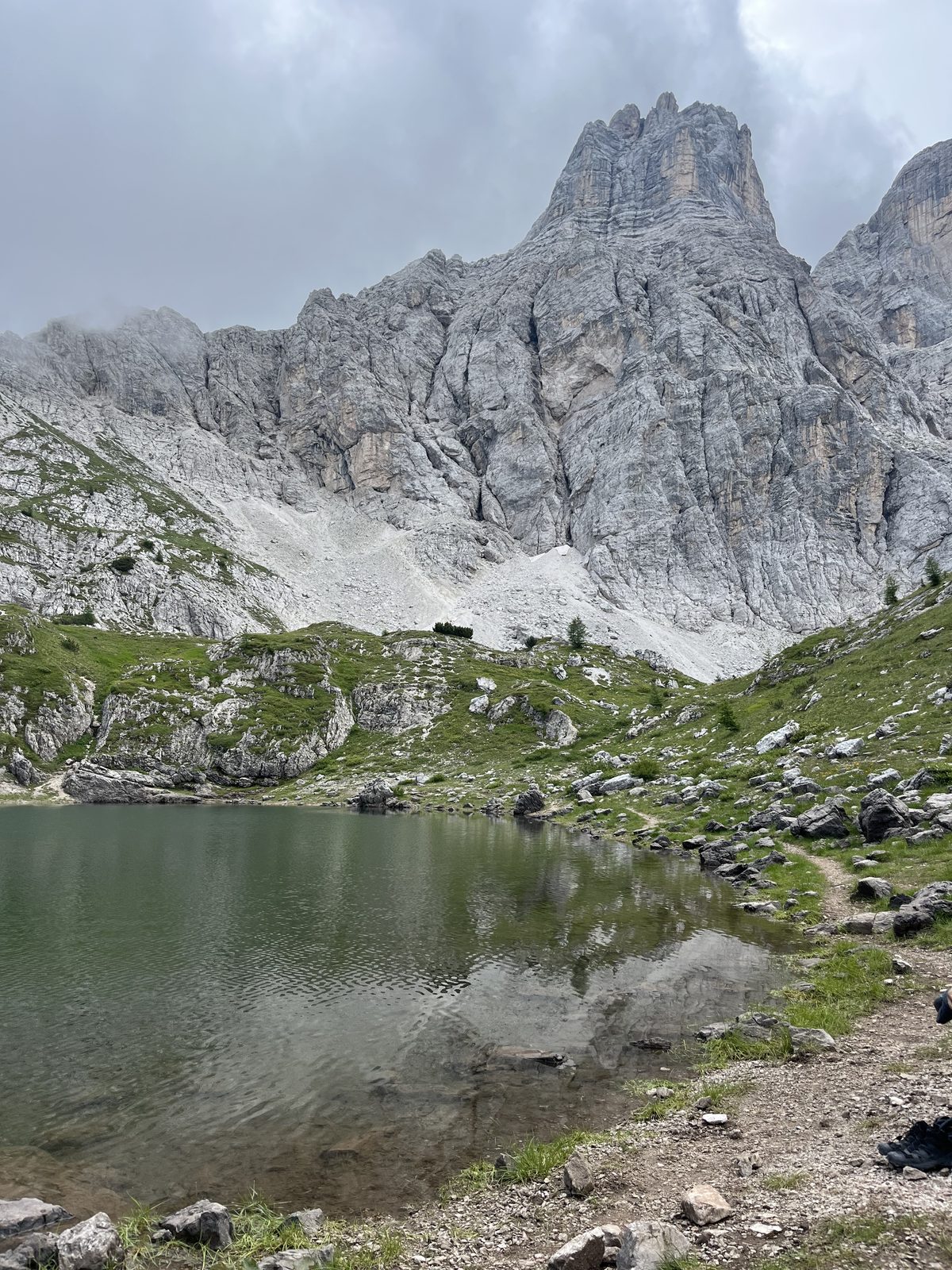
The Dolomites are beautiful.
They are also perfectly capable of being cold.
Very cold.
Even in July.
Many people associate summer with warm temperatures.
The mountains were not consulted.
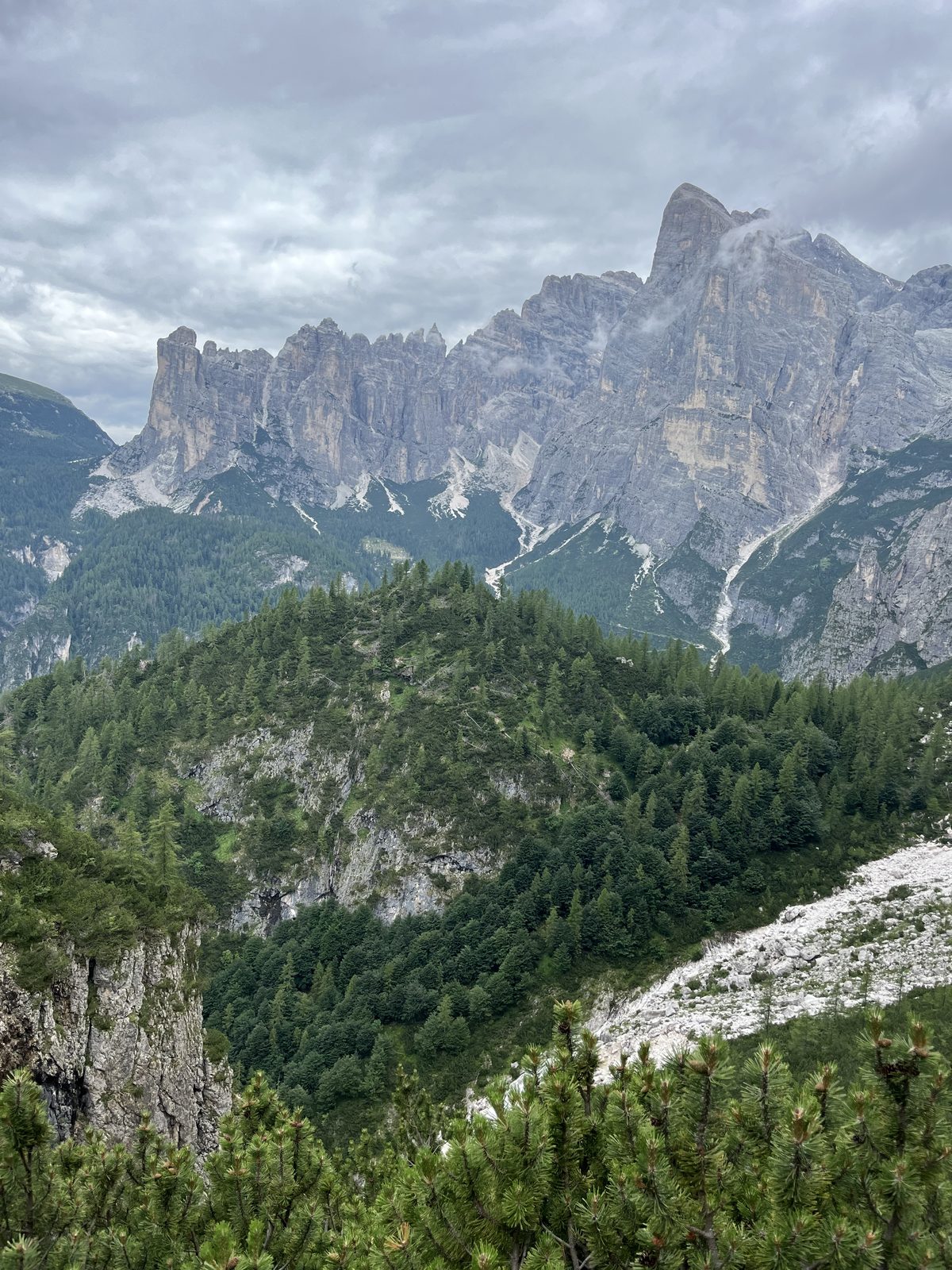
Days could be warm and sunny.
Nights were a completely different conversation.
Don’t underestimate alpine temperatures simply because the calendar says July.
The mountains have their own rules.
Water Logistics
One of the nicest surprises on Alta Via 1 was how easy water management turned out to be.
Compared to many North American routes, refill opportunities were everywhere.
Refugios.
Fountains.
Streams.
Water was rarely a major concern.
That said, I still carried a water filter.
I personally use the MSR Guardian Water Filter.
It’s not the lightest option, but it is extremely reliable and was the only filter used by all four members of our group during the trip.
At some point, I unofficially became the designated water purification friend.
That said, plenty of cheaper filters can absolutely do the job.
The important part isn’t the specific model.
It’s having a system you trust.
Beware of the Cows
Most people spend time thinking about weather, navigation, or gear.
Very few people spend much time thinking about cows.
This is a mistake.
Parts of Alta Via 1 pass through active grazing areas where cows roam freely.
Most.
They are also significantly larger than you remember and occasionally seem mildly offended by your presence.
Give them space.
Especially if calves are nearby.
The mountains were fine.
The trains were problematic.
The cows remained unpredictable.
Fuel
A Soto Windmaster earned its keep every single day.
Electrolytes also deserve a mention.
I used to recommend LMNT Citrus Salt because the taste is exceptional.
I still think the taste is exceptional.
Unfortunately, after returning to Québec, I discovered mold in approximately every hidden corner of my hydration bladder.
This experience shifted my recommendation slightly.
These days I prefer LMNT Raw Unflavored whenever possible.
Your water will still contain electrolytes.
Your hydration system may contain significantly less biology.
Marmots Are Cute. Your Food Is Also Cute.
Marmots are adorable.
They are also highly motivated by calories they did not personally carry up the mountain.
This is the reason I decided to carry a Ratsack.
It’s lightweight, simple, and significantly better than discovering that local wildlife has developed a stronger interest in your food than you have.
Easier Than It Looks
Looking at photos of the Dolomites, many people assume Alta Via 1 is a highly technical route.
It isn’t.
The scenery looks dramatic, but the terrain is often surprisingly friendly.
Good fitness helps.
Good judgment helps.
For most backpackers, the challenge is logistics and consistency rather than technical difficulty.
Refugio Food
One unexpected discovery:
The food is excellent.
Not “good for a mountain hut.”
Actually excellent.
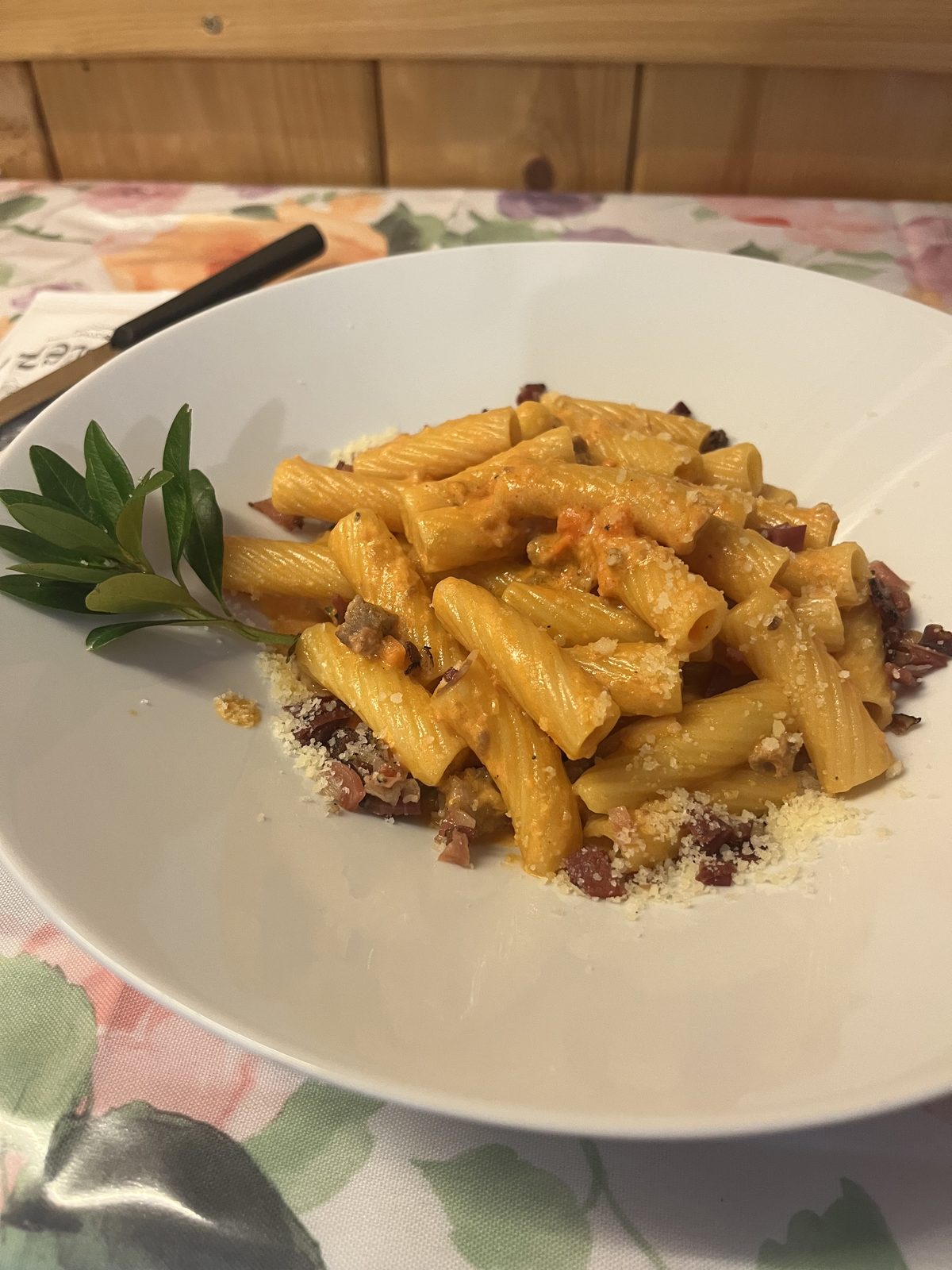
The refugios consistently served meals that would make many city restaurants nervous.
And yes, the desserts were also exceptional.
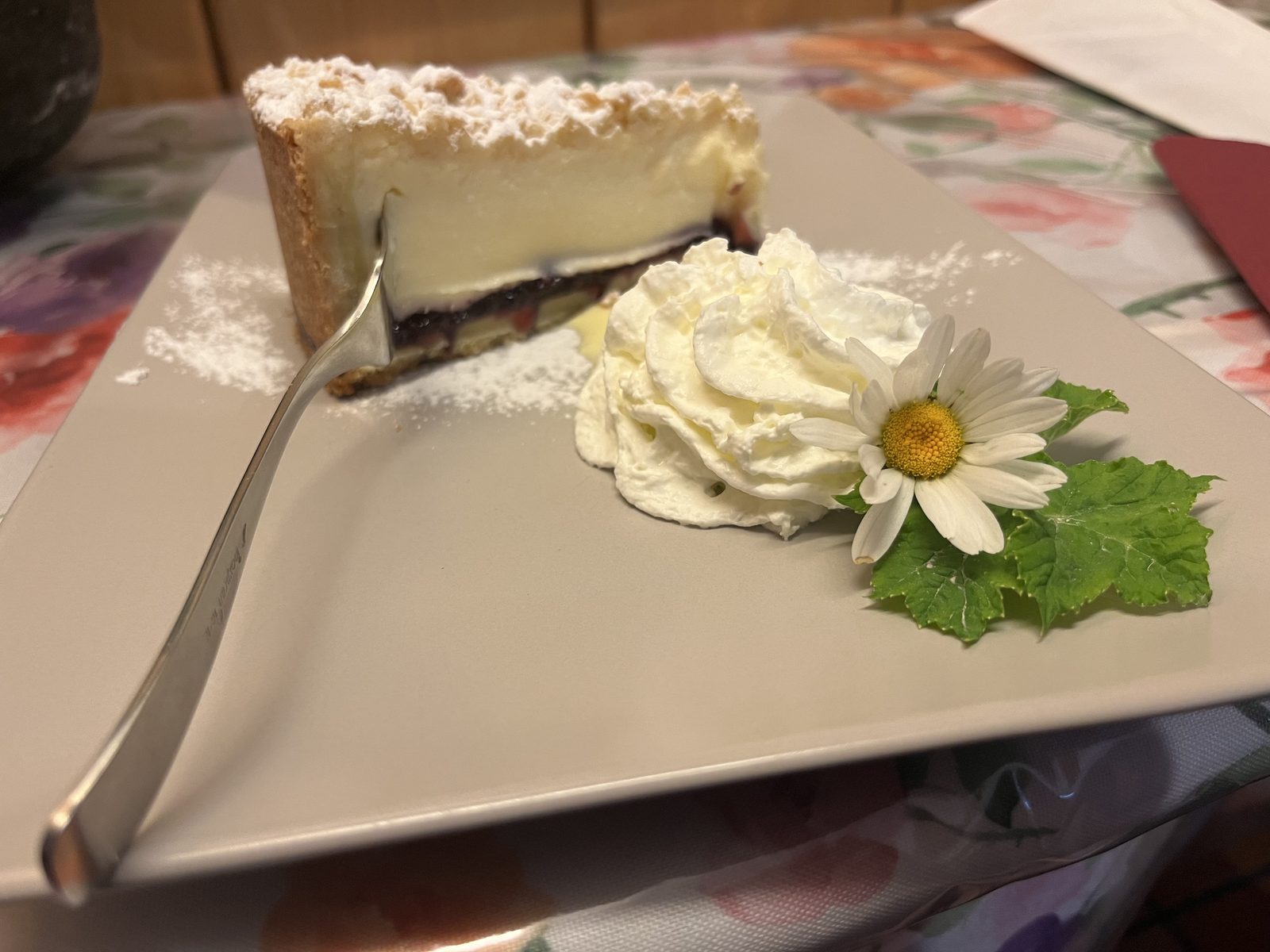
Some of my strongest memories from Alta Via 1 aren’t the summits.
They’re the evenings.
Good food.
Good company.
Watching the light disappear over the Dolomites before walking back to a tent somewhere in the mountains.
Gear That Earned Its Place
Most gear is overhyped, overpriced, or mildly stupid.
This is the short list that earned space in my pack.
A good shelter matters.
A good sleeping pad matters.
A good sleeping bag matters.
Dry clothing matters.
Sleeping poorly for several consecutive nights is a fantastic way to make beautiful mountains significantly less beautiful.
The Outdoor Research Astroman Air Sun Hoodie handled exposure.
The Patagonia R1 Pullover handled movement.
The Cumulus Inverse Women’s Down Jacket handled evenings.
The merino handled everything else.
Simple.
Effective.
Exactly what I want from mountain clothing.
Specific gear recommendations live in Gear I Don’t Hate, because most gear does not deserve a permanent microphone.
Bivouac Isn’t Quite Camping
One important distinction:
Camping and bivouac are not the same thing.
Wild camping is generally prohibited in much of the Dolomites.
What we were doing was closer to traditional alpine bivouac.
The basic rule was simple:
Arrive late.
Leave early.
Pitch the tent around sunset.
Take it down shortly after sunrise.
Leave no trace.
Don’t turn your campsite into a temporary subdivision.
The point was to spend the night in the mountains while respecting local regulations and the people who live there.
Which brings us back to another reason I recommend starting early.
Finding a suitable bivouac location is much easier at 6 p.m. than at midnight with a headlamp.
Ask me how I know.
One More Piece of Advice
Start early.
Earlier than you think.
Seriously.
Because there are very few outdoor experiences that become more enjoyable after midnight.
Especially when you’re still looking for a bivouac spot.
With a headlamp.
While carrying your entire life on your back.
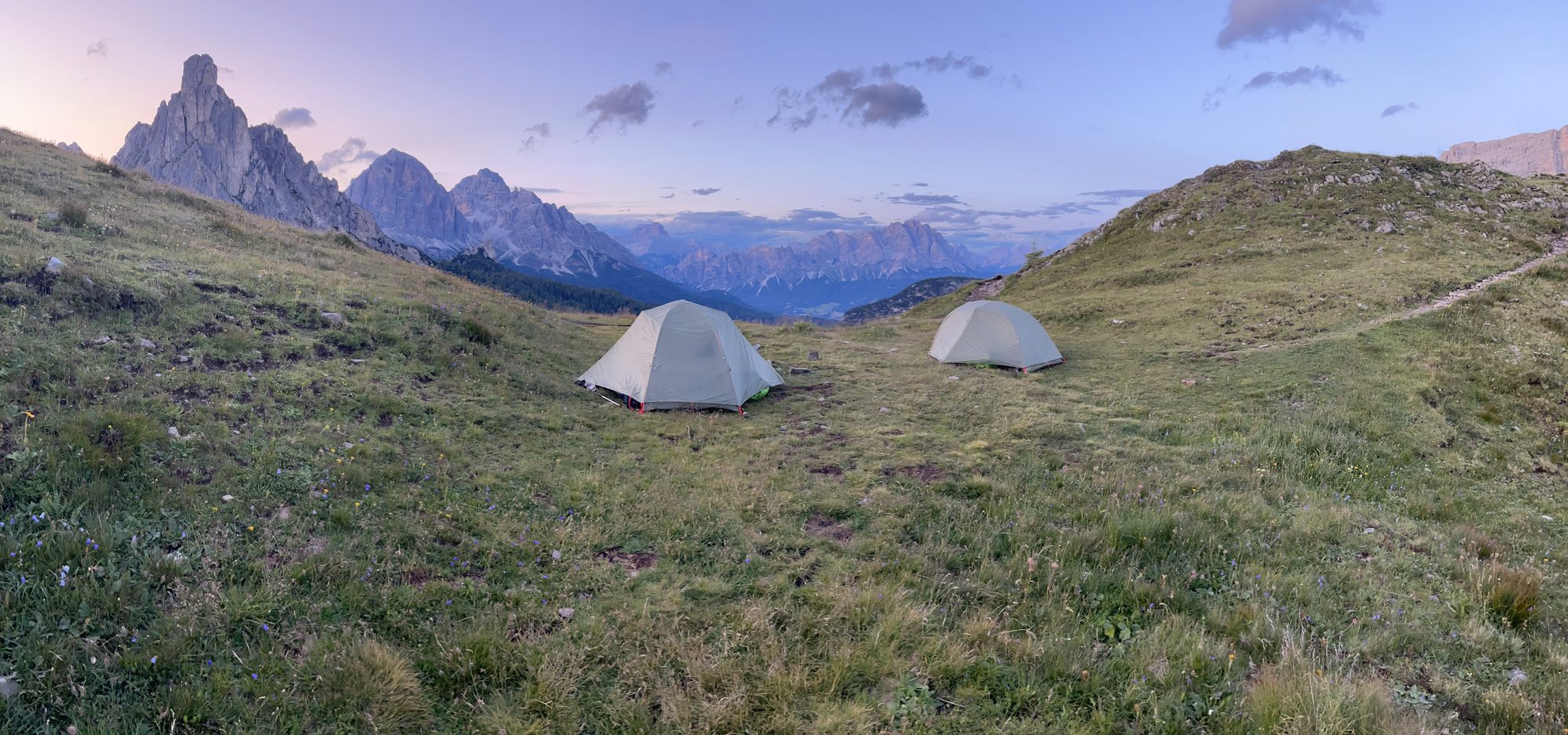
The Dolomites are spectacular.
Trying to locate a suitable bivouac site at midnight is considerably less spectacular.
Final Thoughts
The mountains were beautiful.
The bivouac was worth it.
This wasn’t about finding the perfect campground.
It was about spending the night in the mountains.
The gear worked.
The trains were chaotic.
The food was exceptional.
The marmots remained highly suspicious.
And despite everything, Alta Via 1 remains an incredible backpacking experience.
If rebuilding gear lists before every trip is becoming its own expedition, the C&F Expedition Inventory System exists for that particular flavour of nonsense.
Just remember:
The mountains have their own rules.
And apparently, so do the trains.
Gear Used
Disclosure: this post contains affiliate links. If you purchase through them, I may earn a small commission at no extra cost to you.